
Get-in
October 20, 20263 min read
The acclaimed filmmaker opens up about his existential crisis triggered by unauthorized AI versions of his work, revealing just how deeply the experience shook him.
## When AI Gets Too Close to Home
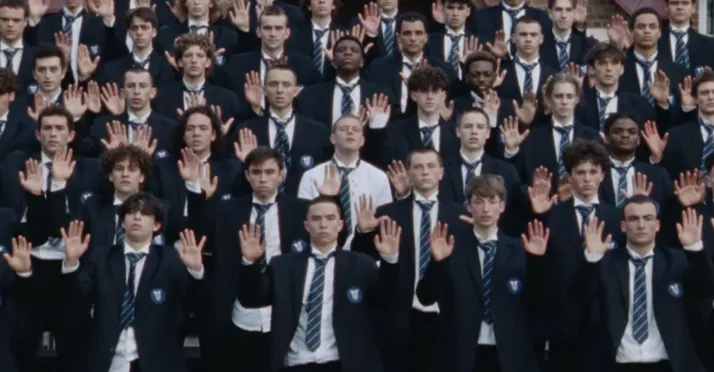
Romain Gavras, the visionary filmmaker behind some of music's most provocative visual moments, recently found himself at a crossroads—and it wasn't one he saw coming. After discovering unauthorized AI-generated versions of "Storm" circulating online, the director experienced what he describes as a genuine existential meltdown. In a candid moment of reflection, he revealed just how far his disillusionment went: "Part of me wanted to quit filmmaking, move back to Greece, and become an olive farmer."
## The Intersection of Art and Artificial Imitation
It's a sentiment that feels almost comedic on the surface, yet it speaks to something far deeper troubling the creative community. For artists like Gavras, who have built their reputations on originality and intentional expression, the rise of AI-generated content poses an existential threat. These aren't passive copies—they're algorithmic mutations that strip away authorship while mimicking the essence of what makes the work compelling in the first place. The fact that Gavras, a seasoned professional with decades of creative achievements, would seriously contemplate abandonment tells us everything we need to know about the psychological toll this technology is taking on creators.
## A Broader Crisis in the Creative Economy
Gavras's frustration isn't merely personal—it's symptomatic of a larger crisis facing filmmakers, musicians, and visual artists worldwide. The democratization of AI tools has created a scenario where anyone can generate content that resembles the work of established creators, often without consequence or compensation. For someone who has invested countless hours perfecting their craft, watching it replicated by algorithm feels less like flattery and more like theft.
## The Path Forward
While we don't know if Gavras ultimately abandons the olive farm dream to return to filmmaking, his candid disclosure serves as a crucial wake-up call for the industry. As AI capabilities continue to evolve at breakneck speed, the conversation around artist protections, ethical AI use, and creative rights has never been more urgent. For now, the filmmaker remains in the spotlight, reminding us that behind every controversial film and innovative music video is a human being grappling with questions about meaning, ownership, and what it means to create in an age of infinite reproduction.