
Get-in
October 11, 20263 min read
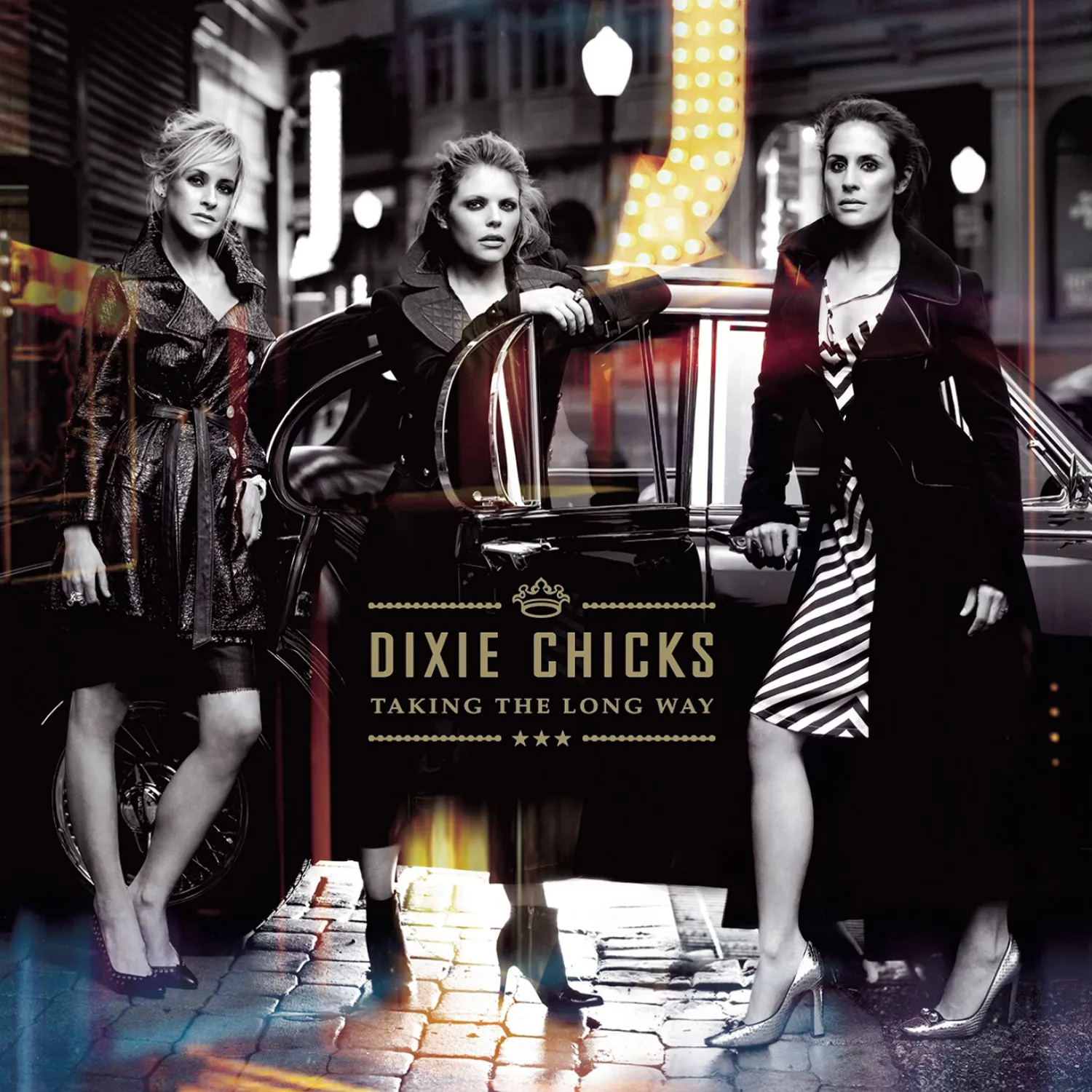
Pitchfork examines how The Chicks' polarizing 2006 album became a defining moment in country music history—a cathartic swan song that challenged an empire.
# Revisiting The Chicks' 'Taking the Long Way': A Masterpiece Born from Controversy
Every Sunday, Pitchfork digs deep into the archives of music history, unearthing albums that shaped our cultural landscape. Today, we turn our attention to one of the most significant and divisive records of the 2000s: The Chicks' *Taking the Long Way*. Released in 2006, this album represents far more than just another country release—it's a raw, unflinching document of a nation in turmoil and an industry grappling with the consequences of artistic integrity.
By 2006, The Chicks had already cemented their status as country music royalty. But their landscape had fundamentally shifted after frontwoman Natalie Maines criticized President George W. Bush and the Iraq War in 2003. The backlash was swift and merciless, transforming the Texas trio into lightning rods for a deeply fractured America. *Taking the Long Way* emerged from this crucible not as a retreat, but as a defiant statement—a work that would mark both the peak and the end of their imperial phase in country music.
The album captures a specific moment in time when personal and political wounds ran deep. It's simultaneously cathartic and uncompromising, refusing the traditional country playbook in favor of something more experimental and raw. Rather than seeking forgiveness or reconciliation, The Chicks doubled down on their artistic vision, crafting a record that transcended genre boundaries and spoke to a generation questioning authority and searching for truth.
Two decades later, *Taking the Long Way* stands as a testament to the power of conviction in the face of overwhelming opposition. It's an album about taking the harder path, about the cost of speaking truth, and about the bittersweet price of artistic freedom. Revisiting it today reveals an album that only grows more relevant—and more essential—with time.