
Get-in
November 15, 20263 min read
In our latest deep dive, we explore how grunge legends Pearl Jam crafted one of their most daring albums amid personal turmoil and public scrutiny.
# Pearl Jam's Yield: When Vulnerability Becomes Strength
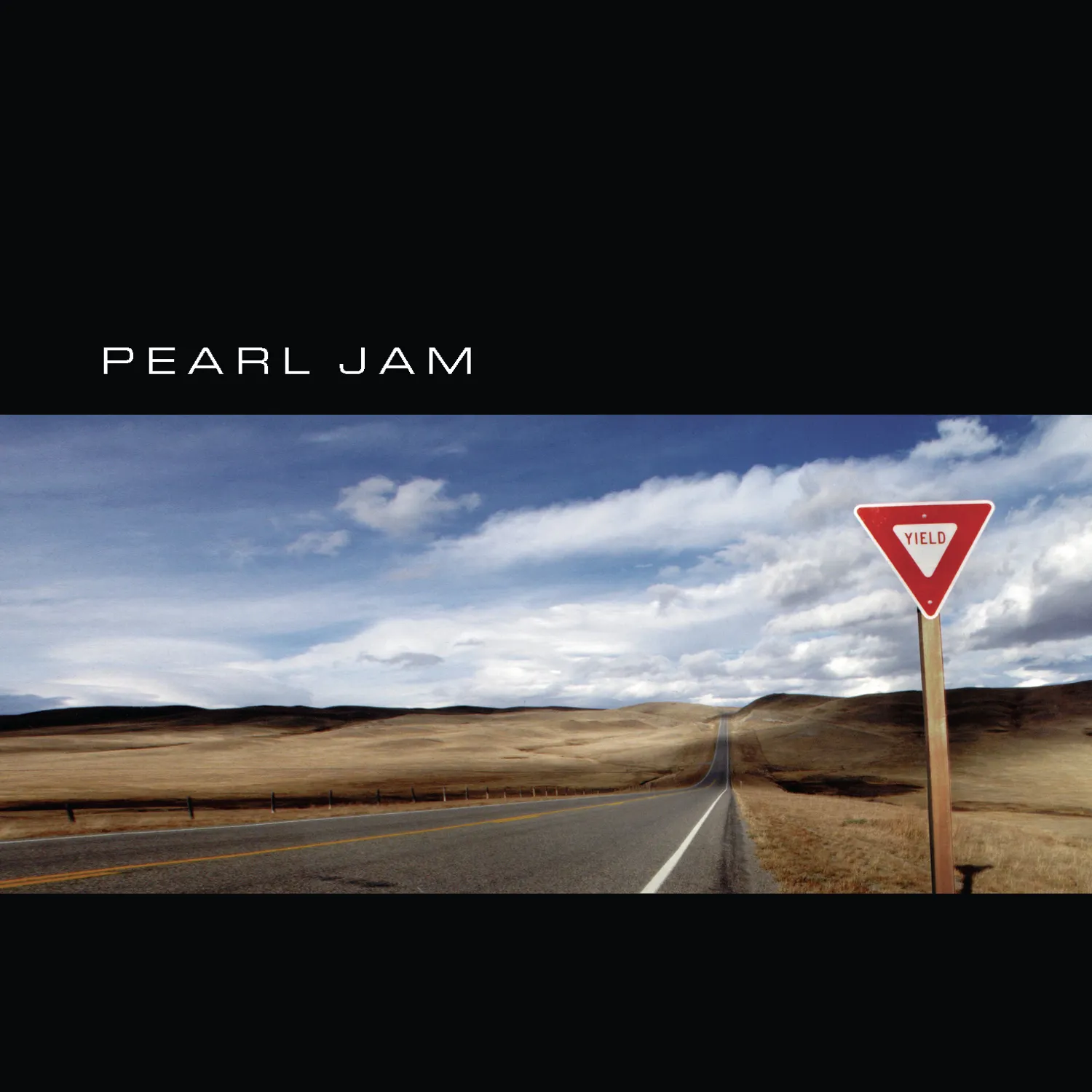
Every Sunday, Pitchfork embarks on a journey through rock history, examining albums that shaped our musical landscape. Today, we're revisiting one of the most compelling and emotionally complex records of the '90s: Pearl Jam's *Yield*. Released as the Seattle icons' fifth studio album, *Yield* stands as a testament to a band willing to expose their wounds while navigating an industry fraught with controversy and heartbreak.
## The Weight of Fame and Tragedy
By the time Pearl Jam reached *Yield*, they had already endured a gauntlet of challenges. Tragedies, controversies, and the crushing weight of superstardom threatened to derail the band entirely. Yet rather than retreat into the shadows, Eddie Vedder and company chose to confront their demons head-on. *Yield* became less of a commercial statement and more of a spiritual reckoning—an album where the raw nerves of the human experience were laid bare. The production is more restrained than their previous work, allowing space for introspection and genuine emotional resonance.
## A Daring Departure
What makes *Yield* so significant is its willingness to experiment and evolve. The band shed the heavier sonic textures that defined their earlier releases, opting instead for a more nuanced and introspective approach. This wasn't a retreat—it was a creative gamble that paid dividends for those willing to dig deeper. Songs breathe, melodies soar, and the overall package feels like a band reaffirming their artistic integrity rather than chasing market trends.
## A Testament to Survival
In retrospect, *Yield* represents a crucial turning point in Pearl Jam's career. It's an album about survival, faith, and the complicated journey of transformation. For longtime fans and newcomers alike, it remains one of the most rewarding deep cuts in the grunge canon—proof that even in our darkest moments, beauty and meaning can still emerge.