
Get-in
November 04, 20263 min read
Alphonse Pierre investigates the unlikely intersection of prediction markets and washed-up rappers placing bets on the midterms—and what it says about the state of the industry.
## When Rappers Become Bettors
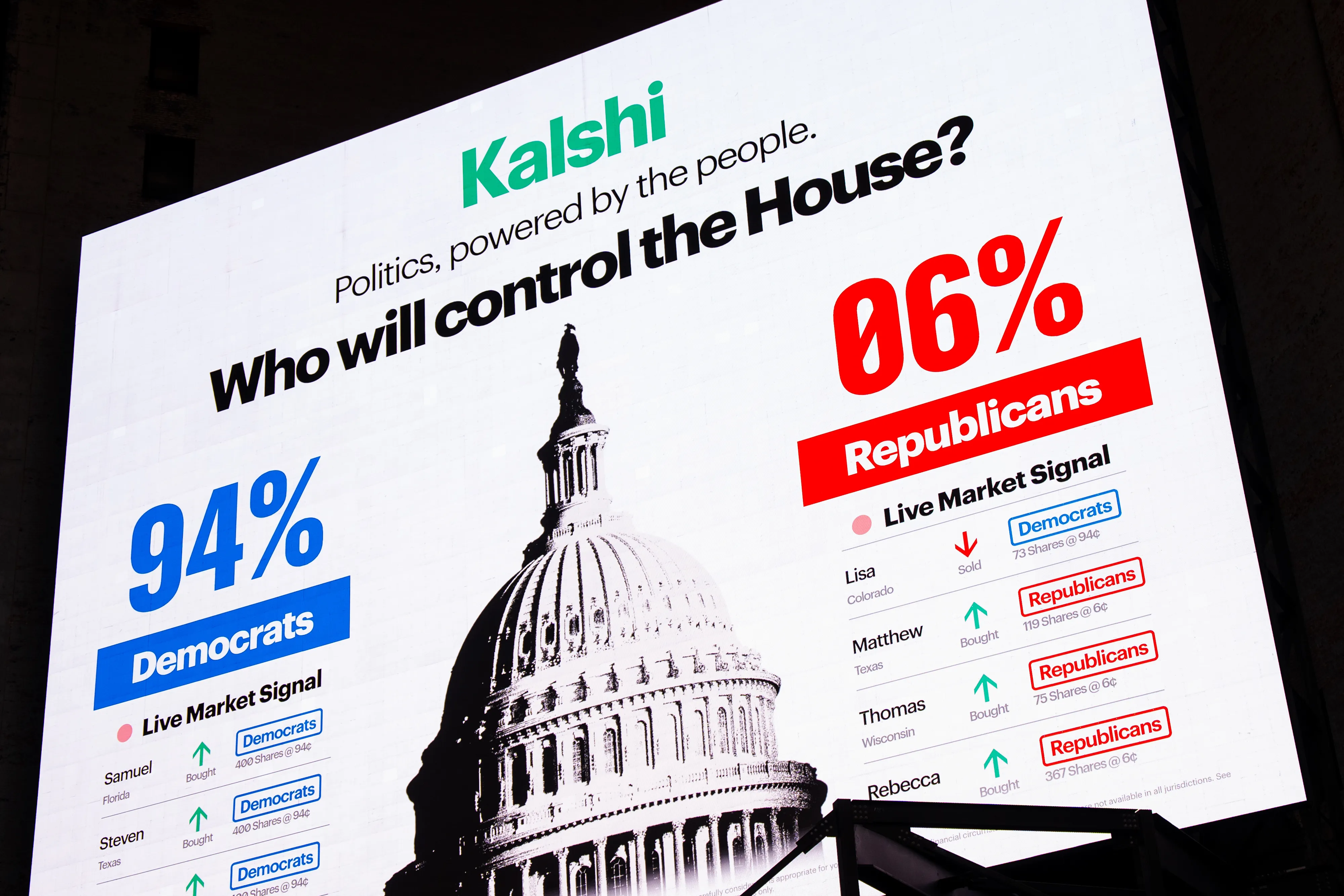
In a head-scratching turn of events that only 2026 could produce, a surprising number of mid-tier rappers have been caught placing bets on the midterms through billion-dollar prediction markets. It's the kind of cultural moment that makes you wonder: what exactly is going on? Music journalist Alphonse Pierre's latest column digs into this peculiar phenomenon, asking the questions nobody else seems to be asking.
## The Intersection of Hip-Hop and Hedge Betting
These aren't household names we're talking about—they're regional rappers and former chart-toppers whose relevance peaked somewhere in the late 2010s. So why are they suddenly diversifying their portfolios with political speculation? The answer likely lies in a toxic combination of poor financial planning, social media performance anxiety, and the tantalizing allure of quick money. Prediction markets offer an intoxicating promise: turn your hot takes into cash.
## What This Says About the Industry
Pierre's column goes beyond the surface-level absurdity to examine what this trend reveals about hip-hop's current landscape. With streaming payouts at an all-time low and touring opportunities still inconsistent, even artists who once commanded significant fan bases are looking for alternative revenue streams. Turning to gambling markets isn't exactly a sign of industry health—it's more like watching musicians play financial roulette while their careers spin on.
## The Bigger Picture
Ultimately, this story serves as a mirror held up to both hip-hop and contemporary culture at large. When artists resort to political betting pools, we're witnessing a moment where the gap between celebrity and financial stability has become uncomfortably wide. Pierre's investigation reminds us that beneath the glamorous veneer of the music industry, many artists are just as financially precarious as anyone else—and increasingly willing to take risky bets to prove otherwise.