
Get-in
October 31, 20263 min read
A quarter-century later, Richard D. James' sprawling 2001 opus reveals itself as the lynchpin of his artistic legacy, masterfully fusing rave chaos with intellectual precision.
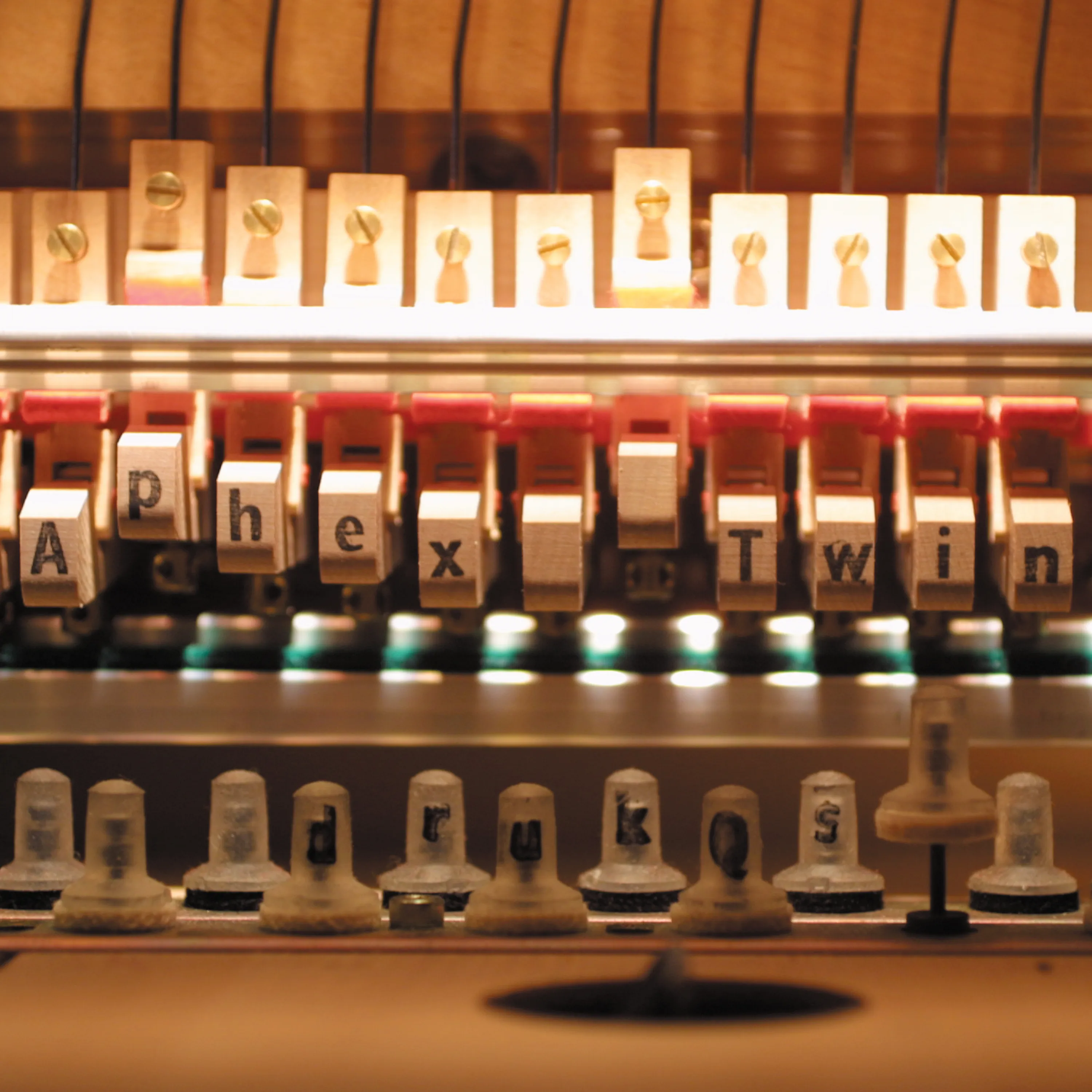
# Drukqs at 25: How Aphex Twin's Most Divisive Masterpiece Became His Career Keystone
When Aphex Twin unleashed *Drukqs* on an unsuspecting world in 2001, the response was decidedly mixed. At nearly two hours long, the album sprawled across a bewildering landscape of chopped breaks, prepared pianos, and glitchy experimentation that seemed almost deliberately hostile to casual listening. Critics didn't quite know what to make of Richard D. James' most ambitious work—was it genius or indulgence? With twenty-five years of hindsight, the answer appears refreshingly clear: it's both, and that's precisely what makes it essential.
The genius of *Drukqs* lies in its refusal to choose between opposing forces. Here was an album that could pit rave-inducing breakbeats against contemporary classical composition, that could make you want to dance and think simultaneously. The 100-minute package functions as a sprawling manifesto, declaring that electronic music need not compromise between accessibility and artistic rigor. Where some producers might have shied away from such ambition, James embraced it fully, creating something that felt almost recklessly forward-thinking at the time.
Looking back now, *Drukqs* emerges not as a detour in Aphex Twin's catalog but as its keystone—the album that crystallizes everything he'd been exploring while pointing toward everything yet to come. The mischief, the mathematics, the raw emotion buried beneath layers of processing—it's all here in magnificent, chaotic abundance. This anniversary edition serves as a perfect moment to reassess an album that demanded time and patience to reveal its true significance. Sometimes the most divisive art simply arrives before the world is ready to receive it.